Description:
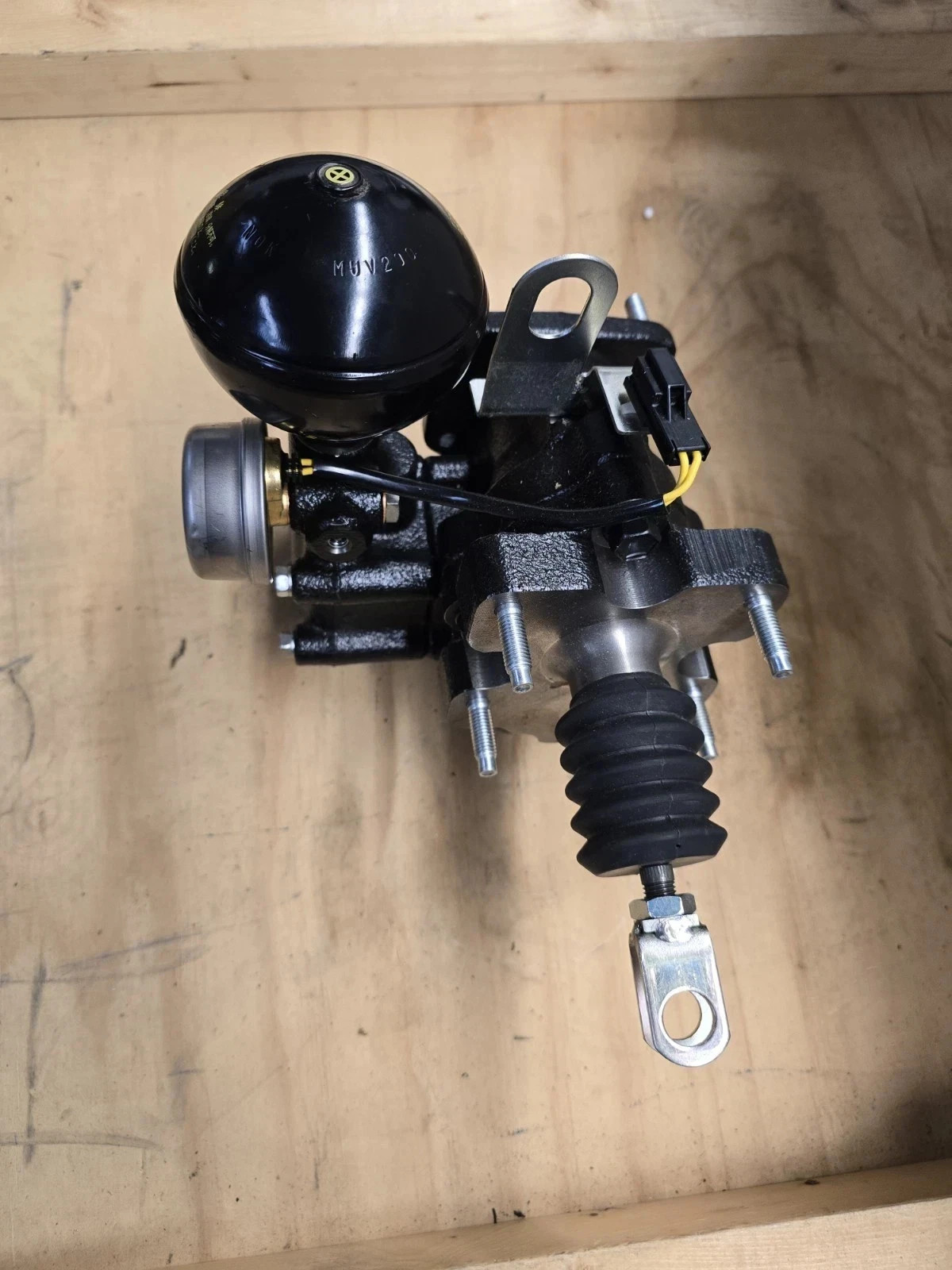
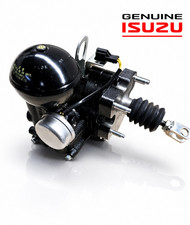
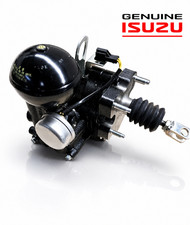
A hydraulic brake booster 8-97209-212-0is a device that uses hydraulic pressure—instead of vacuum—to provide power assist to a vehicle’s braking system. It helps the driver apply the brakes with much less pedal effort.Part Number: 8-97209-212-0, 8972092120
Condition: New
Manufacture/Brand: IsuzuFits 8-97209-212-0 For
Isuzu NQR DIESEL 4HK1-TCN (RDQ) DOUBLE CAB AND SUPERLONG CHASSIS 2011, 2012, 2013
Isuzu NQR DIESEL 4HK1-TCN (RDQ) SINGLE CAB AND SUPERLONG CHASSIS 2011, 2012, 2013
Isuzu NQR DIESEL 4HK1-TCS (RJS) DOUBLE CAB AND SUPERLONG CHASSIS 2011, 2012, 2013, 2014, 2015, 2016, 2017, 2018, 2019, 2020, 2021, 2022, 2023
Isuzu NQR DIESEL 4HK1-TCS (RJS) SINGLE CAB AND SUPERLONG CHASSIS 2011, 2012, 2013, 2014, 2015, 2016, 2017, 2018, 2019, 2020, 2021, 2022, 2023
Isuzu NRR DIESEL 4HK1-TCN (RDQ) DOUBLE CAB AND SUPERLONG CHASSIS 2011, 2012, 2013
Isuzu NRR DIESEL 4HK1-TCN (RDQ) SINGLE CAB AND SUPERLONG CHASSIS 2011, 2012, 2013
Isuzu NRR DIESEL 4HK1-TCS (RJS) DOUBLE CAB AND SUPERLONG CHASSIS 2011, 2012, 2013, 2014, 2015, 2016, 2017, 2018, 2019, 2020, 2021, 2022, 2023
Isuzu NRR DIESEL 4HK1-TCS (RJS) SINGLE CAB AND SUPERLONG CHASSIS 2011, 2012, 2013, 2014, 2015, 2016, 2017, 2018, 2019, 2020, 2021, 2022, 2023
Purpose of using 8-97209-212-0:
1. To reduce brake pedal effort
The booster multiplies the driver’s foot force, making braking easier and more responsive.
2. To provide stronger stopping power
Hydraulic pressure delivers higher and more reliable assist—important in heavy vehicles or towing.
3. For vehicles with low or no engine vacuum
Diesel engines, turbocharged engines, and some performance engines don’t create enough vacuum for a traditional brake booster.
4. Better performance under load
Hydraulic boosters work well in trucks, SUVs, and commercial vehicles where greater braking force is needed.
5. Improved braking consistency
Hydraulic systems maintain stable assist even when engine vacuum changes (like during hard acceleration).
Signs of a Bad Hydraulic Brake Booster 8-97209-212-0:
1. Hard brake pedal
The pedal becomes stiff and requires much more force to stop the vehicle because the booster isn’t providing assist.
2. Increased stopping distance
The vehicle takes longer to stop due to reduced braking power.
3. Brake pedal feels “grabby” or overly sensitive
The brakes may engage too aggressively if the booster is malfunctioning.
4. Power steering problems
Since the booster often shares pressure with the power steering pump, you may notice:
5. Hissing, whining, or squealing noises
These can come from the booster or the hydraulic pump when the system is struggling.
6. Brake fluid or power steering fluid leaks
Leaks around the hydraulic booster, hoses, or connections can cause loss of assist.
7. Pulsating brake pedal
The pedal may vibrate or pulse when hydraulic pressure is unstable.
8. Engine stalling during braking (rare)
A severe hydraulic leak or pump failure can overload the system and cause stalling.
9. Warning lights
You may see ABS, Brake, or Power Steering warnings depending on the system design.